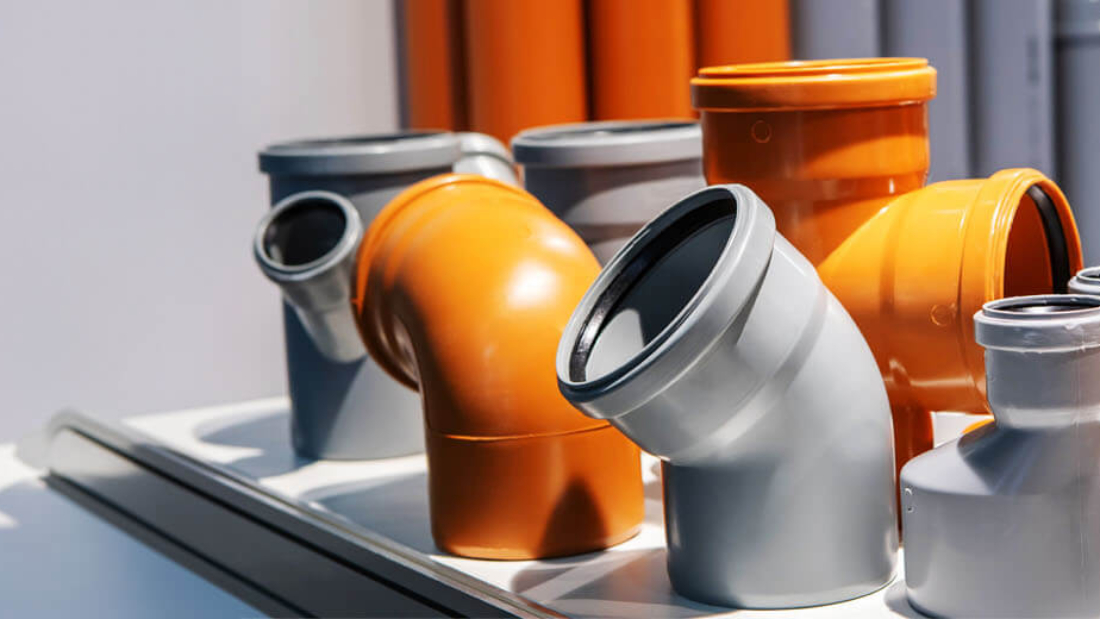
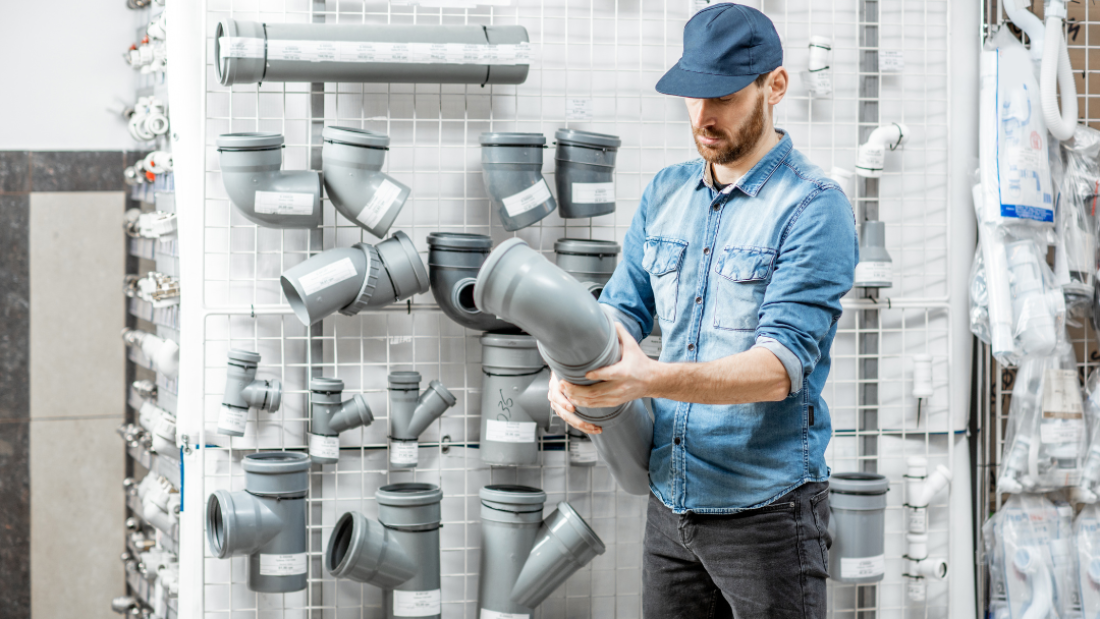
uPVC Pipes for Sewer and Drainage Waste Lines

Atlas Plastic Factory LLC—a trusted UAE manufacturer since 2022—produces premium uPVC pipes specially certified for potable (drinking) water in both metric and imperial-friendly sizing at our facilities, serving customers across the Emirates, including Al Ain, Abu Dhabi, and Dubai.

Our potable water uPVC pipes are manufactured from high-purity virgin resin, ensuring non-toxic, lead-free, and safe transport of drinking water without leaching harmful substances. They meet stringent health and safety requirements for human consumption.

Our range covers pressure classes PN6 to PN16 with nominal diameters from 20 mm to 200 mm (equivalent to ½” to 8″ in common imperial references), making them ideal for safe, reliable potable water systems in UAE residential, commercial, municipal, and agricultural projects.

Key Features

Safe for Potable Water—100% virgin uPVC resin, non-toxic, lead-free, and free from plasticizers or harmful chemicals—no leaching, no contamination, ensuring clean and healthy drinking water.

Pressure Classes — PN6 (6 bar), PN10 (10 bar), PN16 (16 bar) — rated at 20°C (apply derating for higher temperatures).

Size Range — 20 mm to 200 mm nominal outside diameter, corresponding to imperial equivalents ½” to 8″ (widely used in plumbing and water supply specs).

High Durability — Superior tensile strength, impact resistance, and long-term hydrostatic performance—reliable service life exceeding 50 years.

Corrosion & Chemical Resistant — Immune to rust, scaling, corrosion, and aggressive soils/water—perfect for the UAE’s challenging environments.

Smooth Bore — Low friction for excellent flow rates, reduced pumping energy costs, minimal biofouling, and hygienic water delivery.

Lightweight & Easy Installation — Solvent cement joints (smaller sizes) or rubber ring push-fit (larger sizes) for secure, leak-proof connections.

6UV & Weather Stable—Suitable for exposed or buried applications (follow installation guidelines).

Eco & Economical—Recyclable, non-toxic material with lower lifecycle costs than metallic pipes.


Typical Applications

Potable drinking water supply and distribution networks.

Residential and commercial plumbing for kitchens, bathrooms, and buildings

Municipal water mains and distribution lines

Borehole rising mains and pump delivery for clean water

Agricultural irrigation where potable-quality water is required

Pressurized systems requiring safe, contamination-free transport

Manufacturing Specifications

Standards Compliance—Produced to international benchmarks including:

o ISO 4427 / EN 1452 (for potable water pressure pipes)

o BS 3505:1986

o UAE/regional approvals and health/safety certifications for drinking water (non-toxic, safe for human consumption)

Lengths — Standard 6 m (effective); other lengths available.

+Jointing — Solvent weld (20–90 mm / ½”–3″); integral rubber ring push-fit (110–200 mm / 4″–8″) for high-pressure, leak-proof reliability.

Color—Dark gray or custom as per project needs.

uPVC Pipes for Potable Water 

Atlas Plastic Factory LLC—a trusted UAE manufacturer since 2022—produces premium uPVC pipes specially certified for potable (drinking) water in both metric and imperial-friendly sizing at our facilities, serving customers across the Emirates, including Al Ain, Abu Dhabi, and Dubai.

Our potable water uPVC pipes are manufactured from high-purity virgin resin, ensuring non-toxic, lead-free, and safe transport of drinking water without leaching harmful substances. They meet stringent health and safety requirements for human consumption.

Our range covers pressure classes PN6 to PN16 with nominal diameters from 20 mm to 200 mm (equivalent to ½” to 8″ in common imperial references), making them ideal for safe, reliable potable water systems in UAE residential, commercial, municipal, and agricultural projects.

Key Features

Safe for Potable Water—100% virgin uPVC resin, non-toxic, lead-free, and free from plasticizers or harmful chemicals—no leaching, no contamination, ensuring clean and healthy drinking water.

Pressure Classes — PN6 (6 bar), PN10 (10 bar), PN16 (16 bar) — rated at 20°C (apply derating for higher temperatures).

Size Range — 20 mm to 200 mm nominal outside diameter, corresponding to imperial equivalents ½” to 8″ (widely used in plumbing and water supply specs).

High Durability — Superior tensile strength, impact resistance, and long-term hydrostatic performance—reliable service life exceeding 50 years.

Corrosion & Chemical Resistant — Immune to rust, scaling, corrosion, and aggressive soils/water—perfect for the UAE’s challenging environments.

Smooth Bore — Low friction for excellent flow rates, reduced pumping energy costs, minimal biofouling, and hygienic water delivery.

Lightweight & Easy Installation — Solvent cement joints (smaller sizes) or rubber ring push-fit (larger sizes) for secure, leak-proof connections.

UV & Weather Stable—Suitable for exposed or buried applications (follow installation guidelines).

Eco & Economical—Recyclable, non-toxic material with lower lifecycle costs than metallic pipes.


Typical Applications

Potable drinking water supply and distribution networks.

Residential and commercial plumbing for kitchens, bathrooms, and buildings

Municipal water mains and distribution lines

Borehole rising mains and pump delivery for clean water

Agricultural irrigation where potable-quality water is required

Pressurized systems requiring safe, contamination-free transport

Manufacturing Specifications

Standards Compliance—Produced to international benchmarks including:

o ISO 4427 / EN 1452 (for potable water pressure pipes)

o BS 3505:1986

o UAE/regional approvals and health/safety certifications for drinking water (non-toxic, safe for human consumption)

Lengths — Standard 6 m (effective); other lengths available.

Jointing — Solvent weld (20–90 mm / ½”–3″); integral rubber ring push-fit (110–200 mm / 4″–8″) for high-pressure, leak-proof reliability.

Color—Dark gray or custom as per project needs.

uPVC Pipes for Industrial Applications

Atlas Plastic Factory LLC — a trusted UAE manufacturer since 2022 — produces premium uPVC pipes suitable for industrial applications in both metric and imperial-friendly sizing at our facilities, serving customers across the Emirates including Al Ain, Abu Dhabi, and Dubai.

These uPVC pipes are engineered from high-quality virgin resin for excellent chemical resistance, corrosion protection, and durability in demanding industrial environments. They handle non-aggressive chemicals, acids, alkalis, salts, and industrial fluids at temperatures up to 60°C, making them a reliable, cost-effective alternative to metal piping in process lines and utility systems.

Our range covers pressure classes PN6 to PN16 (with options for higher classes or Schedule ratings like SCH40/SCH80 upon request) and nominal diameters from 20 mm to 200 mm (equivalent to ½” to 8″ in common imperial references), ideal for UAE industrial, manufacturing, and processing projects.

Key Features

Excellent Chemical Resistance — Highly resistant to a wide range of industrial chemicals, acids, alkalis, and corrosive fluids — no rust, pitting, or scaling for long-term integrity.

Pressure Classes — PN6 (6 bar), PN10 (10 bar), PN16 (16 bar) — rated at 20°C (apply derating factors for elevated temperatures up to 60°C max continuous).

Size Range — 20 mm to 200 mm nominal outside diameter, corresponding to imperial equivalents ½” to 8″ (widely used in industrial specs).

High Durability — Superior tensile strength, impact resistance, and hydrostatic performance — service life exceeding 50 years in suitable applications.

Smooth Bore — Low friction minimizes pressure loss, reduces energy costs in pumping, and prevents buildup or blockages.

Lightweight & Easy Installation — Solvent cement joints (smaller sizes) or rubber ring push-fit (larger sizes) for quick, secure, leak-proof connections.

UV & Weather Stable — Suitable for above-ground or buried industrial setups (follow guidelines for exposure).

Eco & Economical — Recyclable, non-toxic material with lower installation, maintenance, and life cycle costs compared to steel or other metals.

Typical Applications

Industrial process lines for non-aggressive chemicals and fluids

Chemical dosing, transfer, and distribution systems

Wastewater and effluent transport in industrial plants

Cooling water circulation and utility lines

Plating, rinsing, and treatment systems

Food & beverage processing (where approved for contact)

Agricultural and light industrial fluid handling

Manufacturing Specifications

Standards Compliance — Produced to international benchmarks suitable for industrial use, including:

ISO 4427 / EN 1452 (pressure pipes)

EN ISO 15493 (plastic piping systems for industrial applications — PVC-U)

DIN 8061/8062 (PVC-U pipes)

ASTM D1785 (Schedule 40/80 PVC pipes)

BS 3505 / equivalents

UAE/regional approvals for industrial and chemical-resistant applications

Lengths — Standard 6 m (effective); other lengths available.

Jointing — Solvent weld (20–90 mm / ½”–3″); integral rubber ring push-fit (110–200 mm / 4″–8″) for reliable performance under pressure or chemical exposure.

Color — Dark gray or custom as per industrial requirements.

uPVC PIPES FOR ELECTRICAL CONDUIT

Atlas Plastic Factory LLC produces premium uPVC pipes specifically for electrical conduit applications (rigid conduits for protecting electrical wiring and cables in building installations, exposed, concealed, or embedded use). These are distinct from your cable/telecom duct range (buried non-pressurized cable protection) and are engineered for indoor/outdoor electrical wiring systems in residential, commercial, industrial, and infrastructure projects across the UAE (Al Ain, Abu Dhabi, Dubai, etc.).

These high-impact rigid uPVC conduits offer excellent electrical insulation, fire-retardant properties, corrosion resistance, smooth bore for easy wire pulling, lightweight design, and compliance with UAE utility requirements (e.g., DEWA/ADDC approvals where applicable), ensuring safety and long-term performance in harsh climatic conditions.

Key Features for Electrical Conduit Applications

  • High Impact & Electrical Safety — Superior dielectric strength, self-extinguishing/fire-retardant (non-propagating flame), resistant to electrical shock and short circuits.
  • Durability & Resistance — Immune to corrosion, chemicals, moisture, UV (with protection for exposed use), and biological degradation.
  • Smooth Bore — Low friction for effortless cable/wire drawing without damage.
  • Easy Installation — Solvent cement joints for secure, leak-proof (dust/moisture-resistant) connections; compatible with standard fittings (bends, elbows, boxes, couplers).
  • Lightweight & Versatile — Quick assembly, suitable for concealed (in walls/floors), surface-mounted, or embedded installations.
  • Eco & Economical — Recyclable, non-toxic, lower installation/maintenance costs than metal conduits.
  • Compliance — Meets UAE/GCC standards for electrical installations, including DEWA regulations.

Manufacturing Specifications & Standards for uPVC Electrical Conduits

These conduits are produced to standards commonly required for building wiring in the UAE (distinct from buried cable ducts like DIN 8062 or telecom specs):

  • BS EN 61386 series (e.g., BS EN 61386-1 & BS EN 61386-21) — Conduit systems for cable management (impact resistance classes, e.g., medium/heavy duty).
  • BS 4607 (older, often referenced) — Rigid PVC conduits for electrical installations.
  • BS EN 60423 / IEC 60423 — Conduits; external diameters and threads.
  • DEWA Regulations (2017 Edition & updates) — High-impact rigid PVC conduits complying with BS 4607, BS EN 60423 & BS EN 61386; suitable up to 48°C ambient, non-hygroscopic, fire-retardant.
  • Other Regional — Compliant with ADDC/Abu Dhabi specs, Gulf Standards (GSO), and utility approvals; often NEMA TC-2/TC-6/TC-8 equivalents for imperial-friendly sizing.

Standard lengths: 3 m or 6 m (effective). Jointing: Solvent cement weld (push-fit options available). Colors: Typically white, grey, or ivory (for indoor/visible use); black for exposed/outdoor.

uPVC PIPES FOR DUCT APPLICATION

Atlas Plastic Factory LLC produces premium uPVC pipes exclusively for duct applications focused on cable protection, including telecom, communication, fiber optic, telephone, and power cable (HV/LV underground) protection in non-pressurized, buried or underground systems. These are not for electrical conduits (e.g., rigid conduits for building wiring or indoor/outdoor electrical installations), which you handle separately.

These uPVC duct pipes are engineered for mechanical protection of cables in UAE’s demanding soil conditions, offering high crush/impact resistance for burial, smooth bore for easy cable pulling, corrosion immunity, lightweight ease, and reliable long-term performance in residential, commercial, industrial, municipal, and utility projects across Al Ain, Abu Dhabi, Dubai, and the Emirates.

Key Features for Cable/Telecom Duct Applications

  • Superior Mechanical Protection — High impact and ring stiffness for direct burial, shielding cables from soil pressure, excavation, and external damage.
  • Corrosion & Chemical Resistant — Unaffected by rust, acids, alkalis, moisture, or aggressive UAE soils/groundwater.
  • Smooth Interior Bore — Low friction for effortless cable installation/pulling without damage.
  • Lightweight & Simple Installation — Solvent cement joints (smaller sizes) or integral socket/push-fit (larger sizes) for secure, reliable connections.
  • UV & Environmental Stability — Suitable for buried use (primary) or exposed sections with proper guidelines.
  • Eco & Economical — Recyclable, non-toxic, lower cost and maintenance vs. concrete/metal alternatives.
  • Compliance — Aligned with UAE/GCC utility standards for telecom (Etisalat/Du) and power (DEWA/ADDC/ADWEA) cable ducts.

Manufacturing Specifications & Standards for uPVC Cable/Telecom Duct Pipes

These ducts are produced to standards commonly specified in the UAE for buried cable/telecom protection (distinct from electrical conduit standards like BS EN 61386):

  • DIN 8062 (and DIN 8061) — Primary for uPVC cable duct pipes in UAE manufacturers.
  • BS 3506 : 1969 — uPVC Pipes for Industrial Uses (Class O/light, B, C, D, or equivalent for ducting/telecom/power cable protection).
  • Etisalat / Du Specifications — For telecom ducts (e.g., D54, D56 series, black/grey, with specific OD/wall for fiber/telephone cables).
  • Other Regional/Utility — Compliant with DEWA/ADDC/ADWEA for power cable ducts, or equivalent GCC specs; often in black/grey colors for underground use.

Standard lengths: 6 m (effective, socketed or plain ends). Jointing: Solvent cement (smaller) or socket/push-fit (larger/buried for reliability). Colors: Typically black or grey (for underground telecom/power cable ducts); custom options available.

uPVC High Pressure Pipes

Atlas Plastic Factory LLC—a trusted UAE manufacturer since 2022—produces premium uPVC high-pressure pipes in both metric and imperial-friendly sizing.

Our range covers pressure classes PN6 to PN16 with nominal diameters from 20 mm to 200 mm (equivalent to ½” to 8″ in common imperial references), making them versatile for UAE projects in Al Ain, Abu Dhabi, and beyond.

Key Features

Pressure Classes – PN6 (6 bar), PN10 (10 bar), PN16 (16 bar) – rated at 20°C (apply derating for higher temperatures).

Size Range—20 mm to 200 mm nominal outside diameter, corresponding to imperial equivalents ½” to 8″ (widely referenced in construction and irrigation specs).

High Durability – 100% virgin uPVC resin ensures superior tensile strength, impact resistance, and 50+ years of reliable service.

Corrosion & Chemical Resistant—No rust, scaling, or degradation in UAE’s harsh soils, water, or chemical environments.

Smooth Bore – Low friction for maximum flow, reduced pumping costs, and clean water delivery.

Lightweight & Easy Installation—Solvent cement joints (smaller sizes) or rubber ring push-fit (larger sizes) for secure, leak-proof connections.

UV & Weather Stable – Suitable for exposed or buried applications (follow guidelines).

Eco & Economical—Recyclable, non-toxic, with lower lifecycle costs than metal pipes.

Typical Applications

· Potable water supply and distribution

· Irrigation systems (drip, sprinkler, farm mains)—popular in the agricultural sector

· Borehole rising mains and pump lines

· Industrial fluid transport (non-aggressive)

· Municipal and building pressure mains

· Pressurized wastewater systems

Manufacturing Specifications

Standards Compliance – ISO 4427 / EN 1452, DIN 8061/8062, BS EN ISO 1452 equivalents, plus UAE/regional approvals.

Lengths—Standard 6 m (effective); other lengths available.

Jointing—solvent weld (20–90 mm / ½”–3″); integral rubber ring push-fit (110–200 mm / 4″–8″) for high-pressure reliability.

Color—Dark gray or custom.

pvc-pipe-fitting-banner

Best Plumbing Pipes for Residential and Commercial Buildings in the UAE

When it comes to plumbing in both residential and commercial buildings in the UAE, choosing the right materials for your pipes is critical to ensuring a long-lasting, efficient, and reliable plumbing system. At Atlas Plastic Factory, we understand the specific challenges posed by the UAE’s hot climate, and we provide high-quality PVC and UPVC pipes designed to perform under the toughest conditions. Our products meet the growing demands of modern infrastructure, agriculture, and industrial development in the region.

In this blog, we’ll take you through the best plumbing pipe options for both residential and commercial buildings in the UAE, ensuring that you make an informed decision for your next plumbing project.

1. PVC Pipes: The All-Rounder

Best for: Residential and commercial buildings, irrigation systems, drainage.

Polyvinyl chloride (PVC) pipes are one of the most popular choices for both residential and commercial plumbing due to their durability, cost-effectiveness, and ease of installation. PVC pipes are corrosion-resistant, lightweight, and highly resistant to harsh chemicals, making them an ideal choice for water supply lines, drainage systems, and irrigation setups in the UAE’s hot and dry environment.

Benefits of PVC pipes:

  • Durability: PVC pipes are highly resistant to corrosion, rust, and degradation from UV rays, which is ideal for the harsh UAE climate.
  • Lightweight: Easy to handle and install, reducing overall labor costs.
  • Cost-effective: A budget-friendly option without compromising on quality.
  • Low Maintenance: Requires little maintenance over its lifespan, reducing long-term costs.

Where to Use: PVC pipes are ideal for cold water supply lines, drainage systems, and sewage lines in residential and commercial buildings. Additionally, they are used extensively in irrigation systems for agricultural purposes.

2. CPVC Pipes: Ideal for Hot Water Systems

Best for: Residential buildings, commercial buildings with hot water supply needs.

Chlorinated polyvinyl chloride (CPVC) pipes are a variation of PVC, treated to withstand higher temperatures. CPVC pipes are the go-to choice for hot water systems, as they can handle temperatures up to 90°C (194°F), making them ideal for residential and commercial buildings that require reliable and safe hot water distribution.

Benefits of CPVC pipes:

  • Heat Resistance: CPVC pipes can handle hot water supply systems, making them perfect for residential homes and commercial buildings with hot water needs.
  • Corrosion and Scale Resistance: CPVC does not corrode or scale like metal pipes, ensuring clean and clear water.
  • Cost-effective and Durable: While slightly more expensive than regular PVC, CPVC is still a cost-effective choice when compared to other materials like copper or steel.

Where to Use: CPVC pipes are commonly used for hot water lines in residential kitchens and bathrooms, as well as commercial heating systems in hotels, hospitals, and office buildings.

3. UPVC Pipes: The Durable and Robust Option

Best for: Residential, commercial, and industrial buildings, as well as sewage and drainage systems.

Unplasticized polyvinyl chloride (UPVC) pipes are similar to PVC pipes, but with a higher degree of rigidity and resistance to impact and high pressure. They are widely used in applications that require high strength and resistance to external stress, such as sewage, stormwater drainage systems, and plumbing systems in both residential and commercial buildings.

Benefits of UPVC pipes:

  • Strength and Durability: UPVC pipes are known for their ability to withstand higher pressures and external forces, making them perfect for heavy-duty plumbing applications.
  • Chemical Resistance: Highly resistant to most acids, alkalis, and other corrosive substances, ensuring a long lifespan.
  • Long-lasting: UPVC pipes are designed to last for many years without degrading, even in the harshest conditions.
  • Cost-effective: While slightly more expensive than standard PVC, UPVC pipes offer superior strength and longevity, making them a valuable investment for heavy-duty systems.

Where to Use: UPVC pipes are ideal for both residential and commercial drainage systems, sewage lines, and high-pressure water systems. They are also commonly used in industrial applications and agricultural irrigation systems.

4. PEX Pipes: The Flexible Solution

Best for: Residential buildings, commercial spaces, underfloor heating systems.

Cross-linked polyethylene (PEX) pipes have gained popularity in recent years due to their flexibility, ease of installation, and resistance to corrosion. PEX is ideal for modern residential buildings and commercial establishments, especially in areas requiring frequent turns or complicated installations. Additionally, PEX is excellent for underfloor heating systems, offering consistent water flow and heat distribution.

Benefits of PEX pipes:

  • Flexibility: PEX is highly flexible, making it easier to work with, especially in tight spaces or when routing pipes around corners.
  • Corrosion and Scale Resistant: PEX does not corrode or develop scale, keeping the water system clean.
  • Freeze Resistance: Unlike metal pipes, PEX does not expand and crack when frozen, which is an advantage in areas with fluctuating temperatures.
  • Quick Installation: Due to its flexibility and ease of use, PEX piping reduces installation time, which can lower labor costs.

Where to Use: PEX pipes are perfect for residential hot and cold water supply lines, underfloor heating, and other plumbing systems requiring flexibility and reliability.

5. HDPE Pipes: The Strongest Option for Heavy-Duty Needs

Best for: Commercial and industrial buildings, irrigation systems, water transport.

High-density polyethylene (HDPE) pipes are one of the most robust and durable options for large-scale water transport, irrigation, and industrial plumbing applications. HDPE is resistant to corrosion, chemicals, and impact, making it a great choice for applications where strength and durability are essential.

Benefits of HDPE pipes:

  • Impact Resistance: HDPE pipes can withstand high-pressure systems and harsh weather conditions without cracking or breaking.
  • Chemical and Corrosion Resistance: Resistant to a wide variety of chemicals, HDPE pipes are ideal for water transport in industrial applications.
  • Long Lifespan: HDPE pipes offer an incredibly long lifespan, making them a cost-effective investment in the long run.
  • Environmentally Friendly: HDPE is a recyclable material, making it a more sustainable option compared to other plastic pipes.

Where to Use: HDPE pipes are commonly used in commercial and industrial plumbing systems, large-scale irrigation projects, and for transporting water and wastewater in municipal applications.

Why Choose Atlas Plastic Factory?

At Atlas Plastic Factory, we specialize in providing high-quality PVC, CPVC, UPVC, and other plastic pipes that meet the growing demands of modern infrastructure, agriculture, and industrial development. Our pipes are designed to withstand the unique challenges of the UAE climate, providing durability, reliability, and cost-effectiveness for residential, commercial, and industrial projects.

Whether you’re constructing a new building or upgrading your plumbing system, we have the right piping solutions for every need.


Contact Us Today for Expert Plumbing Solutions

Choosing the right plumbing pipes is essential to ensuring a safe, efficient, and long-lasting system for your home or business. Trust Atlas Plastic Factory to deliver the highest quality PVC, CPVC, and UPVC pipes for your next project.

Contact us today for more information on our products, or schedule a consultation to get expert advice tailored to your specific needs. Let us help you achieve the best plumbing solution for your building’s requirements.

About Atlas

Common Mistakes to Avoid When Installing PVC and CPVC Plumbing Pipes

When it comes to plumbing installations, proper procedures are crucial to ensure longevity, efficiency, and safety. At Atlas Plastic Factory, we understand that precision and attention to detail are paramount when installing PVC and CPVC pipes. Our commitment to providing high-quality PVC and UPVC products for modern infrastructure and agricultural development is coupled with expert knowledge to help you avoid common mistakes during installation.

Here are some of the most frequent errors made when installing PVC and CPVC plumbing pipes and how you can avoid them.

1. Not Using the Right Tools

A frequent mistake made by both professionals and DIYers is using improper tools during installation. It’s important to use the correct pipe cutter or saw to ensure clean, straight cuts. A jagged or uneven cut can lead to improper fittings and potential leaks down the road.

Solution: Always use a pipe cutter or a fine-toothed saw designed specifically for PVC or CPVC pipes. Ensure that all cutting tools are sharp and in good condition to make precise cuts.

2. Failing to Properly Clean Pipe Ends

Before joining PVC or CPVC pipes, it is essential to clean and deburr the pipe ends. Failing to do so may result in poor sealing, leading to leaks or weaker joints.

Solution: Always clean the pipe ends thoroughly and remove any burrs or debris before fitting. This step is crucial in ensuring a secure, leak-free connection.

3. Incorrect Application of Cement

The improper application of PVC or CPVC cement is one of the most common installation mistakes. Applying too little or too much cement, or not allowing the cement to cure properly, can lead to weak connections and potential failures.

Solution: When applying PVC or CPVC cement, use a generous yet even amount on both the pipe and the fitting. Be sure to follow the manufacturer’s instructions on drying and curing times to achieve a strong bond.

4. Not Properly Dry Fitting the Pipes

Before permanently joining the pipes, it is important to dry fit the sections to ensure everything lines up properly. Skipping this step can result in misalignment, which can be difficult or costly to correct after installation.

Solution: Always dry fit the pipes and fittings together before applying any cement or adhesive. This gives you the opportunity to make adjustments if necessary and ensures a precise installation.

5. Over-tightening or Under-tightening Connections

In CPVC pipe installations, connections must be neither too tight nor too loose. Over-tightening can cause stress on the pipe, while under-tightening can lead to leaks and poor seals.

Solution: When tightening connections, use the appropriate torque and never rely solely on physical force. Follow manufacturer guidelines for proper tightening methods.

6. Ignoring Expansion and Contraction

Both PVC and CPVC pipes expand and contract with temperature changes. Failing to account for this natural movement can lead to pipe damage, warping, or bursting.

Solution: Always leave room for expansion and contraction. Use expansion joints where necessary and avoid rigidly fixing pipes in place without considering their movement. Ensure proper spacing when installing the pipes to allow for these changes.

7. Installing Pipes Too Close to Heat Sources

Another mistake to avoid is placing PVC or CPVC pipes too close to heat sources like hot water lines, heaters, or engines. This can weaken the pipes, causing them to soften or deform over time.

Solution: Install pipes at a safe distance from heat sources, and use heat-resistant insulation when necessary to protect the integrity of the pipes.

8. Improper Pipe Sizing

Choosing the wrong size pipe for your plumbing system is a critical error. A pipe that is too small may lead to water pressure issues, while one that is too large can result in unnecessary costs and space usage.

Solution: Ensure you select the appropriate pipe size based on your system’s requirements, considering factors such as water pressure, flow rate, and system layout.

9. Not Venting Pipes Properly

For CPVC and PVC plumbing to function properly, vents must be correctly installed. Without proper venting, air can become trapped in the pipes, leading to water flow issues and system failures.

Solution: Ensure your piping system is vented correctly to prevent airlocks and allow for smooth water flow. Follow local codes and regulations regarding vent placement.

10. Not Following Local Building Codes and Regulations

Every region has specific building codes that must be followed when installing plumbing systems. Failing to comply with these codes can lead to costly fines, as well as unsafe installations.

Solution: Always consult local building codes before installation. Adhering to these standards ensures the safety, efficiency, and legality of your plumbing system.

Conclusion

Avoiding these common mistakes during the installation of PVC and CPVC plumbing pipes is essential for ensuring long-lasting, reliable, and efficient systems. At Atlas Plastic Factory, we provide high-quality, durable PVC and UPVC pipes designed to meet the growing demands of modern infrastructure. By following the proper installation procedures, you can avoid costly errors and create a plumbing system that stands the test of time.


Get Expert Help with Your Plumbing Projects

Are you ready to take your plumbing installations to the next level? Trust the experts at Atlas Plastic Factory to provide the best quality PVC and CPVC pipes for your next project. With our commitment to precision and quality, we can help you avoid costly mistakes and ensure your installations last for years to come.

Contact us today to learn more about our products, or request a consultation for your plumbing project. We are here to support you with technical expertise, reliable service, and the best products in the industry.