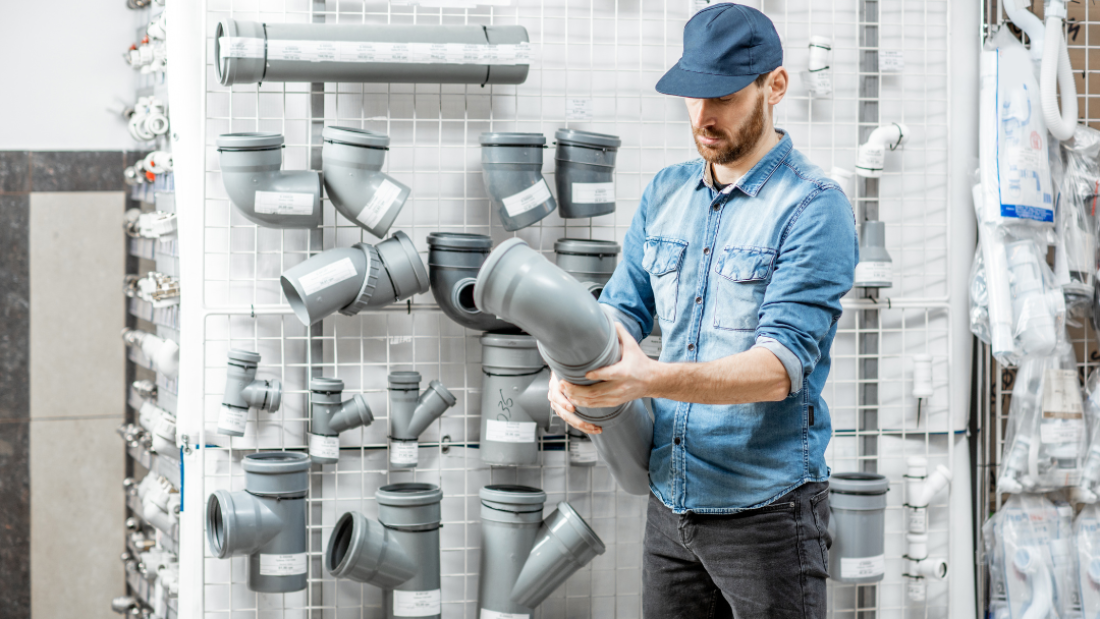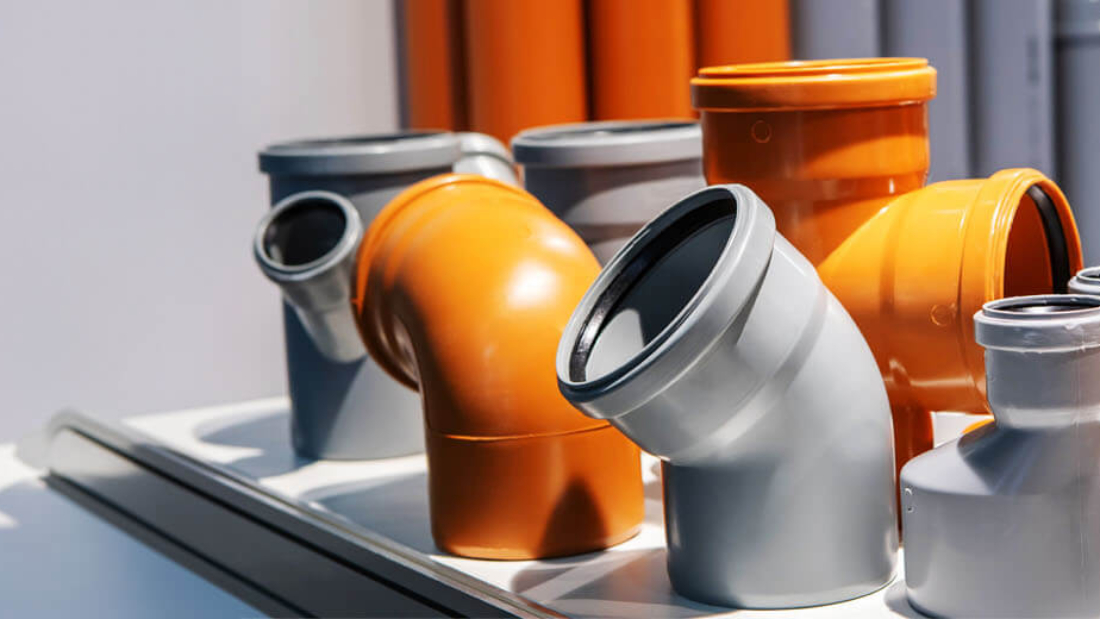
When it comes to plumbing in both residential and commercial buildings in the UAE, choosing the right materials for your pipes is critical to ensuring a long-lasting, efficient, and reliable plumbing system. At Atlas Plastic Factory, we understand the specific challenges posed by the UAE’s hot climate, and we provide high-quality PVC and UPVC pipes designed to perform under the toughest conditions. Our products meet the growing demands of modern infrastructure, agriculture, and industrial development in the region.
In this blog, we’ll take you through the best plumbing pipe options for both residential and commercial buildings in the UAE, ensuring that you make an informed decision for your next plumbing project.
1. PVC Pipes: The All-Rounder
Best for: Residential and commercial buildings, irrigation systems, drainage.
Polyvinyl chloride (PVC) pipes are one of the most popular choices for both residential and commercial plumbing due to their durability, cost-effectiveness, and ease of installation. PVC pipes are corrosion-resistant, lightweight, and highly resistant to harsh chemicals, making them an ideal choice for water supply lines, drainage systems, and irrigation setups in the UAE’s hot and dry environment.
Benefits of PVC pipes:
- Durability: PVC pipes are highly resistant to corrosion, rust, and degradation from UV rays, which is ideal for the harsh UAE climate.
- Lightweight: Easy to handle and install, reducing overall labor costs.
- Cost-effective: A budget-friendly option without compromising on quality.
- Low Maintenance: Requires little maintenance over its lifespan, reducing long-term costs.
Where to Use: PVC pipes are ideal for cold water supply lines, drainage systems, and sewage lines in residential and commercial buildings. Additionally, they are used extensively in irrigation systems for agricultural purposes.
2. CPVC Pipes: Ideal for Hot Water Systems
Best for: Residential buildings, commercial buildings with hot water supply needs.
Chlorinated polyvinyl chloride (CPVC) pipes are a variation of PVC, treated to withstand higher temperatures. CPVC pipes are the go-to choice for hot water systems, as they can handle temperatures up to 90°C (194°F), making them ideal for residential and commercial buildings that require reliable and safe hot water distribution.
Benefits of CPVC pipes:
- Heat Resistance: CPVC pipes can handle hot water supply systems, making them perfect for residential homes and commercial buildings with hot water needs.
- Corrosion and Scale Resistance: CPVC does not corrode or scale like metal pipes, ensuring clean and clear water.
- Cost-effective and Durable: While slightly more expensive than regular PVC, CPVC is still a cost-effective choice when compared to other materials like copper or steel.
Where to Use: CPVC pipes are commonly used for hot water lines in residential kitchens and bathrooms, as well as commercial heating systems in hotels, hospitals, and office buildings.
3. UPVC Pipes: The Durable and Robust Option
Best for: Residential, commercial, and industrial buildings, as well as sewage and drainage systems.
Unplasticized polyvinyl chloride (UPVC) pipes are similar to PVC pipes, but with a higher degree of rigidity and resistance to impact and high pressure. They are widely used in applications that require high strength and resistance to external stress, such as sewage, stormwater drainage systems, and plumbing systems in both residential and commercial buildings.
Benefits of UPVC pipes:
- Strength and Durability: UPVC pipes are known for their ability to withstand higher pressures and external forces, making them perfect for heavy-duty plumbing applications.
- Chemical Resistance: Highly resistant to most acids, alkalis, and other corrosive substances, ensuring a long lifespan.
- Long-lasting: UPVC pipes are designed to last for many years without degrading, even in the harshest conditions.
- Cost-effective: While slightly more expensive than standard PVC, UPVC pipes offer superior strength and longevity, making them a valuable investment for heavy-duty systems.
Where to Use: UPVC pipes are ideal for both residential and commercial drainage systems, sewage lines, and high-pressure water systems. They are also commonly used in industrial applications and agricultural irrigation systems.
4. PEX Pipes: The Flexible Solution
Best for: Residential buildings, commercial spaces, underfloor heating systems.
Cross-linked polyethylene (PEX) pipes have gained popularity in recent years due to their flexibility, ease of installation, and resistance to corrosion. PEX is ideal for modern residential buildings and commercial establishments, especially in areas requiring frequent turns or complicated installations. Additionally, PEX is excellent for underfloor heating systems, offering consistent water flow and heat distribution.
Benefits of PEX pipes:
- Flexibility: PEX is highly flexible, making it easier to work with, especially in tight spaces or when routing pipes around corners.
- Corrosion and Scale Resistant: PEX does not corrode or develop scale, keeping the water system clean.
- Freeze Resistance: Unlike metal pipes, PEX does not expand and crack when frozen, which is an advantage in areas with fluctuating temperatures.
- Quick Installation: Due to its flexibility and ease of use, PEX piping reduces installation time, which can lower labor costs.
Where to Use: PEX pipes are perfect for residential hot and cold water supply lines, underfloor heating, and other plumbing systems requiring flexibility and reliability.
5. HDPE Pipes: The Strongest Option for Heavy-Duty Needs
Best for: Commercial and industrial buildings, irrigation systems, water transport.
High-density polyethylene (HDPE) pipes are one of the most robust and durable options for large-scale water transport, irrigation, and industrial plumbing applications. HDPE is resistant to corrosion, chemicals, and impact, making it a great choice for applications where strength and durability are essential.
Benefits of HDPE pipes:
- Impact Resistance: HDPE pipes can withstand high-pressure systems and harsh weather conditions without cracking or breaking.
- Chemical and Corrosion Resistance: Resistant to a wide variety of chemicals, HDPE pipes are ideal for water transport in industrial applications.
- Long Lifespan: HDPE pipes offer an incredibly long lifespan, making them a cost-effective investment in the long run.
- Environmentally Friendly: HDPE is a recyclable material, making it a more sustainable option compared to other plastic pipes.
Where to Use: HDPE pipes are commonly used in commercial and industrial plumbing systems, large-scale irrigation projects, and for transporting water and wastewater in municipal applications.
Why Choose Atlas Plastic Factory?
At Atlas Plastic Factory, we specialize in providing high-quality PVC, CPVC, UPVC, and other plastic pipes that meet the growing demands of modern infrastructure, agriculture, and industrial development. Our pipes are designed to withstand the unique challenges of the UAE climate, providing durability, reliability, and cost-effectiveness for residential, commercial, and industrial projects.
Whether you’re constructing a new building or upgrading your plumbing system, we have the right piping solutions for every need.
Contact Us Today for Expert Plumbing Solutions
Choosing the right plumbing pipes is essential to ensuring a safe, efficient, and long-lasting system for your home or business. Trust Atlas Plastic Factory to deliver the highest quality PVC, CPVC, and UPVC pipes for your next project.
Contact us today for more information on our products, or schedule a consultation to get expert advice tailored to your specific needs. Let us help you achieve the best plumbing solution for your building’s requirements.