

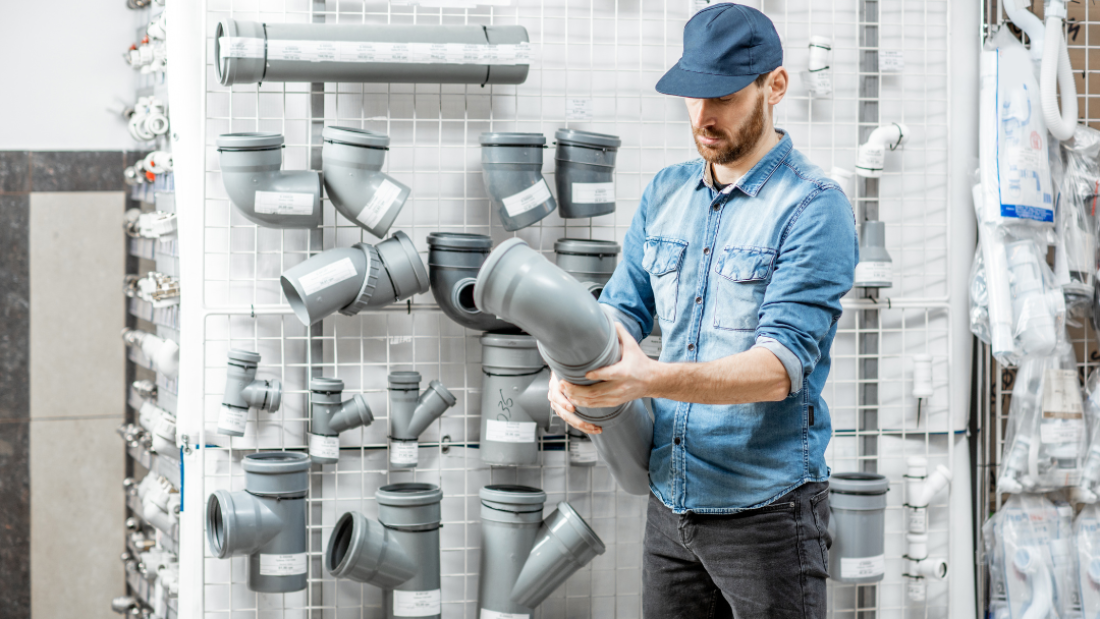
When it comes to plumbing installations, proper procedures are crucial to ensure longevity, efficiency, and safety. At Atlas Plastic Factory, we understand that precision and attention to detail are paramount when installing PVC and CPVC pipes. Our commitment to providing high-quality PVC and UPVC products for modern infrastructure and agricultural development is coupled with expert knowledge to help you avoid common mistakes during installation.
Here are some of the most frequent errors made when installing PVC and CPVC plumbing pipes and how you can avoid them.
1. Not Using the Right Tools
A frequent mistake made by both professionals and DIYers is using improper tools during installation. It’s important to use the correct pipe cutter or saw to ensure clean, straight cuts. A jagged or uneven cut can lead to improper fittings and potential leaks down the road.
Solution: Always use a pipe cutter or a fine-toothed saw designed specifically for PVC or CPVC pipes. Ensure that all cutting tools are sharp and in good condition to make precise cuts.
2. Failing to Properly Clean Pipe Ends
Before joining PVC or CPVC pipes, it is essential to clean and deburr the pipe ends. Failing to do so may result in poor sealing, leading to leaks or weaker joints.
Solution: Always clean the pipe ends thoroughly and remove any burrs or debris before fitting. This step is crucial in ensuring a secure, leak-free connection.
3. Incorrect Application of Cement
The improper application of PVC or CPVC cement is one of the most common installation mistakes. Applying too little or too much cement, or not allowing the cement to cure properly, can lead to weak connections and potential failures.
Solution: When applying PVC or CPVC cement, use a generous yet even amount on both the pipe and the fitting. Be sure to follow the manufacturer’s instructions on drying and curing times to achieve a strong bond.
4. Not Properly Dry Fitting the Pipes
Before permanently joining the pipes, it is important to dry fit the sections to ensure everything lines up properly. Skipping this step can result in misalignment, which can be difficult or costly to correct after installation.
Solution: Always dry fit the pipes and fittings together before applying any cement or adhesive. This gives you the opportunity to make adjustments if necessary and ensures a precise installation.
5. Over-tightening or Under-tightening Connections
In CPVC pipe installations, connections must be neither too tight nor too loose. Over-tightening can cause stress on the pipe, while under-tightening can lead to leaks and poor seals.
Solution: When tightening connections, use the appropriate torque and never rely solely on physical force. Follow manufacturer guidelines for proper tightening methods.
6. Ignoring Expansion and Contraction
Both PVC and CPVC pipes expand and contract with temperature changes. Failing to account for this natural movement can lead to pipe damage, warping, or bursting.
Solution: Always leave room for expansion and contraction. Use expansion joints where necessary and avoid rigidly fixing pipes in place without considering their movement. Ensure proper spacing when installing the pipes to allow for these changes.
7. Installing Pipes Too Close to Heat Sources
Another mistake to avoid is placing PVC or CPVC pipes too close to heat sources like hot water lines, heaters, or engines. This can weaken the pipes, causing them to soften or deform over time.
Solution: Install pipes at a safe distance from heat sources, and use heat-resistant insulation when necessary to protect the integrity of the pipes.
8. Improper Pipe Sizing
Choosing the wrong size pipe for your plumbing system is a critical error. A pipe that is too small may lead to water pressure issues, while one that is too large can result in unnecessary costs and space usage.
Solution: Ensure you select the appropriate pipe size based on your system’s requirements, considering factors such as water pressure, flow rate, and system layout.
9. Not Venting Pipes Properly
For CPVC and PVC plumbing to function properly, vents must be correctly installed. Without proper venting, air can become trapped in the pipes, leading to water flow issues and system failures.
Solution: Ensure your piping system is vented correctly to prevent airlocks and allow for smooth water flow. Follow local codes and regulations regarding vent placement.
10. Not Following Local Building Codes and Regulations
Every region has specific building codes that must be followed when installing plumbing systems. Failing to comply with these codes can lead to costly fines, as well as unsafe installations.
Solution: Always consult local building codes before installation. Adhering to these standards ensures the safety, efficiency, and legality of your plumbing system.
Conclusion
Avoiding these common mistakes during the installation of PVC and CPVC plumbing pipes is essential for ensuring long-lasting, reliable, and efficient systems. At Atlas Plastic Factory, we provide high-quality, durable PVC and UPVC pipes designed to meet the growing demands of modern infrastructure. By following the proper installation procedures, you can avoid costly errors and create a plumbing system that stands the test of time.
Get Expert Help with Your Plumbing Projects
Are you ready to take your plumbing installations to the next level? Trust the experts at Atlas Plastic Factory to provide the best quality PVC and CPVC pipes for your next project. With our commitment to precision and quality, we can help you avoid costly mistakes and ensure your installations last for years to come.
Contact us today to learn more about our products, or request a consultation for your plumbing project. We are here to support you with technical expertise, reliable service, and the best products in the industry.